Buyer profile
Defense program teams, range managers, secure-facility leaders, and mission-support stakeholders who need controlled wireless visibility across remote and secure environments.

Why defense and mission-support teams evaluate Private LTE for remote facilities, training grounds, controlled coverage, and secure field visibility. Teams usually start here when defense and secure-mission environments often need more controlled wireless coverage for remote visibility, training support, and field operations than generic connectivity options allow.
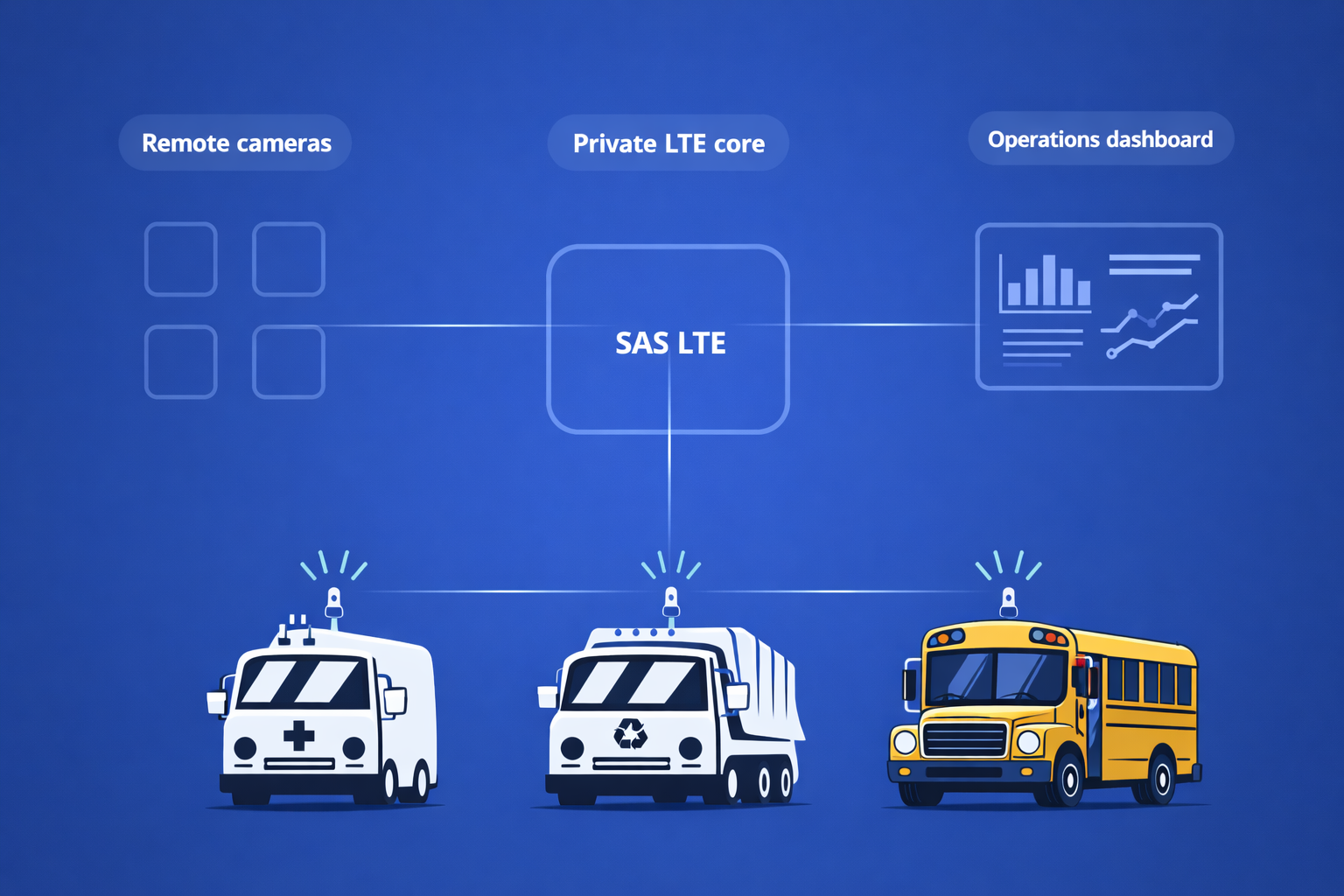
Defense program teams, range managers, secure-facility leaders, and mission-support stakeholders who need controlled wireless visibility across remote and secure environments.
Training grounds, secure campuses, remote operations sites, mobile units, perimeter assets, temporary ranges, and distributed facilities with demanding terrain or security conditions.
defense and secure-mission environments often need more controlled wireless coverage for remote visibility, training support, and field operations than generic connectivity options allow
Private LTE can help create a better-controlled wireless layer for remote range operations, perimeter awareness, temporary deployments, and secure facility visibility.
Why defense and mission-support teams evaluate Private LTE for remote facilities, training grounds, controlled coverage, and secure field visibility. In many organizations, the real trigger is not a generic interest in new wireless technology. It is the moment when teams realize their current mix of public cellular, point solutions, or outdoor Wi-Fi is making field operations, monitoring, safety, or uptime harder to manage.
Private LTE can help create a better-controlled wireless layer for remote range operations, perimeter awareness, temporary deployments, and secure facility visibility. Buyers who frame the project around measurable outcomes, operating conditions, security expectations, and device behavior usually reach a clearer decision faster than teams that start with radios alone.
Superior Access Solutions helps teams evaluate this topic as part of the wider operating picture, including network integration and monitoring, devices, video solutions, applications, product sourcing, and rollout planning. That matters because buyers rarely need a radio conversation in isolation. They need a team that can connect the wireless layer to the actual operating environment.
Superior Access Solutions supports government and commercial customers with product sourcing, network integration, video solutions, applications, custom engineering, lab testing, staging, and lifecycle technical services so scoping, rollout planning, and technical follow-through can stay aligned in one commercial workflow.
They usually start exploring it when secure or remote environments need stronger control, mobility, and visibility than standard approaches can provide.
Yes. Flexibility for mobile and temporary coverage is one of the reasons it is attractive in those settings.
In most defense environments it becomes part of a wider operational design conversation that includes security, video, devices, and field workflows.
Why agencies use private LTE to support surveillance, command visibility, mobile units, temporary coverage, and hard-to-reach sites.
Read the guideExplore how fleets, transit agencies, yards, lots, and mobile workflows can benefit from dedicated wireless coverage.
Read the guideLearn how dedicated wireless networks support camera backhaul, remote monitoring, and command-center visibility.
Read the guideShare your sites, coverage problem, and operational goals and Superior Access Solutions can help shape the next step.